
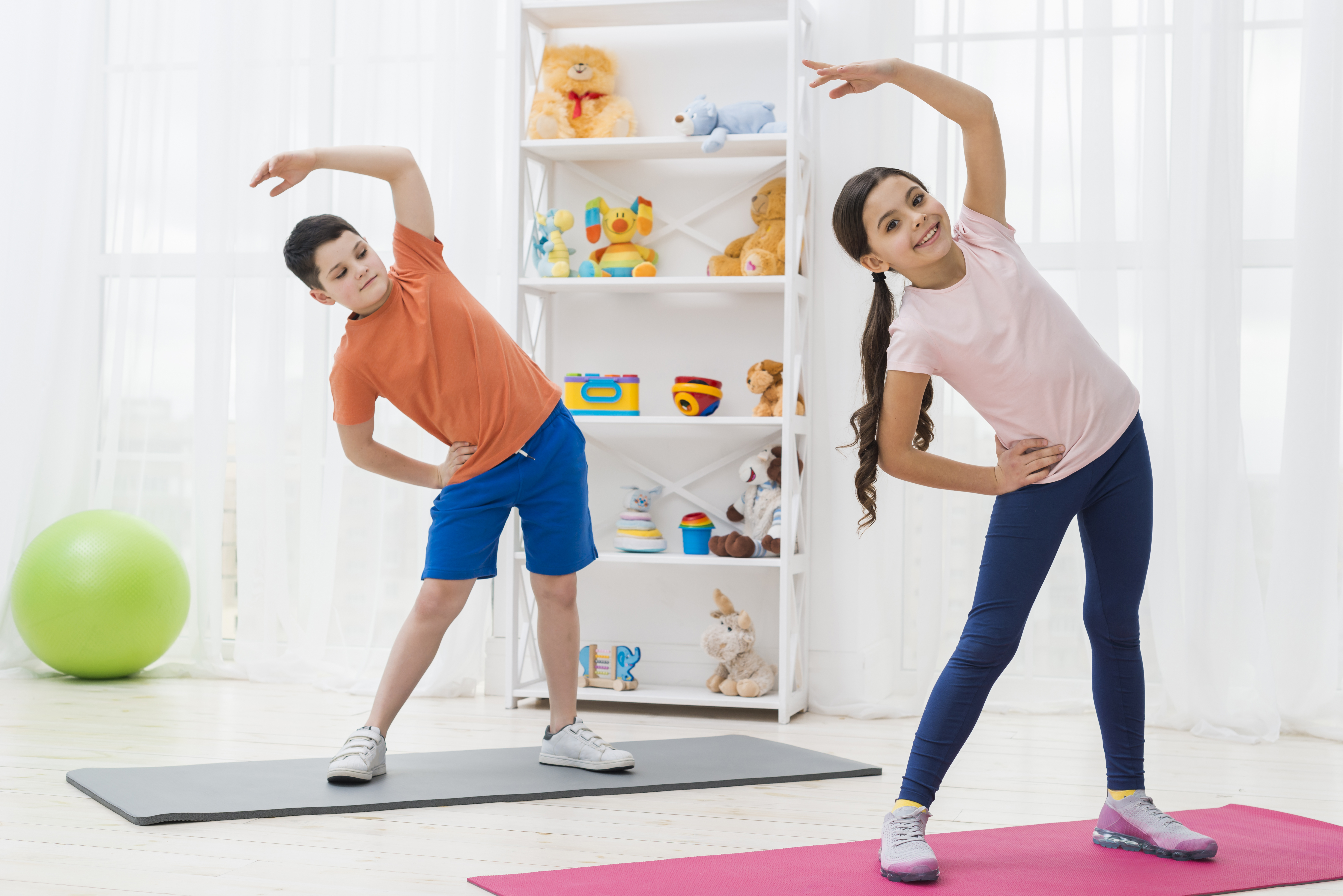
Benefits of Physical Activity for Students: How Focus Improves
Daily movement sharpens student focus during demanding school lessons. Screen fatigue often drains daily classroom energy in Al Ain.
Fortunately, the proven benefits of physical activity for students reach beyond fitness. Simple movement triggers key brain neurotransmitters instantly. This sharpens memory retention and increases processing speed.
Climate-controlled indoor zones keep learners active all year. Short exercise breaks rebuild attention spans quickly. Consequently, active children achieve higher academic performance every day.
What Are the Benefits of Physical Activity for Students?
The benefits of physical activity for students do more than build fitness. When kids stay active, they focus better. They remember more. They also feel much happier.
Exercise keeps them tuned in during class. Physical exercise for school students prepares the brain to learn. It does not distract from lessons.
Top Academic Benefits Supported by Research
Movement changes brain chemistry within minutes. Kids who move often show sharper focus and stronger recall.
The CDC backs this up—active students pick up new information faster. Their data shows that healthy students do better in school. This is true for all grades.
Better focus
Faster thinking
Stronger memory
Higher test scores
These real facts prove that physical activity improves learning. Teachers often see better focus in just one class.
Physical Benefits That Support Classroom Success
A healthy body helps the mind work better. Exercise builds strength. This keeps kids from getting too tired during the school day.
Active kids can sit still more easily. They do not fidget as much. They can stay focused for a longer time.
Social and Emotional Advantages
Movement helps more than the body. Group activities teach teamwork that also helps with group projects.
Sports help kids face hard times with confidence. This supports exercise and brain development in children as they grow.
Physical Benefit
Brain Effect
Academic Outcome
More blood flow
More oxygen
Better focus in class
Active movement
Brain chemical release
Better memory
Campus sports
Less stress
Higher interest
Our featured guide, Daily Routine Fixes: Healthy Study Habits at Home Tips, shows how these classroom gains extend into evening routines. Read our in-depth guide on building healthy study habits at home.
How Does Physical Activity Improve Learning and Focus?
When a child moves, blood goes straight to the brain. This blood brings in fresh oxygen. Moving also releases natural chemicals in the brain. These chemicals help kids focus. They remember things better.
How Movement Helps the Brain Focus
Here's the chain in simple terms. Exercise pumps blood to the brain. More blood means more oxygen. More oxygen means sharper thinking. It happens within minutes of movement.
The Biological Fuel Behind Sharp Attention
Brain chemicals help kids stay alert. They keep kids ready to learn during hard lessons. Exercise also makes a special protein. This protein builds and fixes brain cells. Together, they help kids learn fast and remember things longer.
Research Findings From Harvard and CDC
Harvard Health explains that doing regular aerobic activities actually helps certain areas of the brain connected to memory and decision-making to grow. This isn't a short-term trick. It's long-term brain architecture at work.
How Body Changes
What the Brain Does
How It Helps in Class
More blood flow
Brings extra oxygen
Sharper focus
Chemical release
Wakes up the brain
Longer attention span
Protein growth
Builds new cells
Better memory
These brain gains do more than raise test scores. They also protect your child's feelings and peace of mind. Building Futures Through Mental Health Awareness in Schools dives deeper into this connection.[For a deeper dive into stress reduction and emotional wellbeing, see our article here]
Why Is Physical Education Important in Schools?
Structured PE builds healthy habits every day. It keeps students active, reduces stress, and supports better academic achievement. Students also develop teamwork, discipline, and resilience through regular activity.
Beyond Sports—Why PE Matters
PE is more than games. It teaches cooperation, problem-solving, and self-control. These skills help students during group work, classroom activities, and exam preparation.
Academic Gains Linked to Active Classrooms
Active classrooms improve focus and learning. Movement breaks help students return calmer and ready to learn. They reduce restlessness, increase participation, and improve attention.
Traditional Classroom
Active Classroom
Long sitting periods
Regular movement breaks
Higher afternoon fatigue
Sustained energy all day
More fidgeting
Better self-regulation
Lower late-day engagement
Consistent attention
How Dauha School Supports Active Learning
Al Ain's summer heat limits outdoor play for much of the year. Climate-controlled indoor sports facilities keep students active, comfortable, and learning in every season.
One PE staff member explains it simply: "The kids who move during the day are the ones who come back focused. We see it every week."
Curious what active learning looks like on campus? Top Extracurricular Activities for Students at Dauha School covers our full range of programs. You might also like our roundup of extracurricular activities here.
How Can Parents Help Students Stay Active Every Day?
Simple, short movement sessions each day really help. Playing outside, doing indoor exercises, walking or biking to school, and cutting back on screen time all boost kids’ focus and energy.
7 Daily Habits That Build Active Routines
Kick off the day with 10 minutes of stretching or movement.
Walk or bike to school when possible.
Take a 5-minute movement break every hour of homework.
Play an active game after school, not a screen.
Join one structured sport or activity each week.
Keep daily screen time under two hours.
End the day with some light movement—a quick walk works.
Indoor Movement Ideas for Hot Al Ain Weather
When it’s just too hot out, get the kids moving indoors instead. Dance breaks, indoor obstacle courses, and stretching games all work well. Climate-controlled gym spaces solve this problem year-round.
Balancing Homework and Movement
Movement doesn't compete with homework time. It supports it. A quick movement break before study time often means faster, more focused work afterward.
Screen fatigue is a daily battle for many families. Stop Stressing: Managing Screen Time for Children Safely offers practical tools.Check out our checklist for managing screen time safely here.
Exercise isn’t a substitute for one-on-one support. But studies show it really does help kids focus. It helps them regulate their emotions and stay attentive during lessons.
Children With Attention Challenges
Kids who find it tough to sit still actually do better with regular movement breaks. Physical activity helps them use up that restless energy and point it toward something useful. It’s not going to fix every struggle, but it makes the day-to-day routine a little smoother.
Why Movement Supports Learning Readiness
When kids feel calmer and more in control, their brains open up to learning. Getting moving cuts stress hormones and clears out some of the mental fog. That clarity makes space for real academic progress.
Every kid learns in their own way, and that’s absolutely fine. Top Slow Learners Teaching Methods to Empower Students takes a closer look at ways to adapt your teaching to fit their needs. Check out our full guide on teaching methods for slow learners here.
Frequently Asked Questions
How does exercise help students concentrate better in the classroom?
Exercise boosts blood flow, releases dopamine, and supports memory. As a result, kids stay focused and take in more of what they learn.
How does exercise help students concentrate better in the classroom before exams?
Quick exercise before studying sharpens focus. It lowers stress and helps kids remember more.
How does exercise help students concentrate better in the classroom during screen-heavy learning?
After spending a long time on screens, students feel refreshed and find it easier to focus again.
How does exercise help students concentrate better in the classroom in hot climates like Al Ain?
Indoor activities work just as well for the brain. Even when Al Ain’s heat keeps everyone inside, kids can stay active and keep those cognitive benefits.
Key Takeaways & Next Steps
Kids who are physically active are better able to concentrate while learning.
Exercise keeps the brain in good shape, so it supports memory.
When schools and parents encourage daily movement, students do better, plain and simple.
Active learning benefits both body and mind.
Indoor sports programs keep students moving through Al Ain's hottest months.
Want to see how we bring active learning to life on campus? Book a personalized campus tour today. .Come check out our climate-controlled sports facilities. See our evidence-based teaching in action.